Digital Assets and Blockchain: A Beginner’s Guide
Digital assets are anything of value that exists only in digital form and can be owned and transferred, such as cryptocurrencies, tokenised assets and some digital collectibles. Blockchain is the shared record-keeping technology that many of them run on. This guide explains what both are, why people pay attention to them and what the real risks are, so you can decide whether they belong anywhere near your money.
What are digital assets?
A digital asset is a digital item that has value and can be owned. The term covers several different things, and it helps to keep them apart:
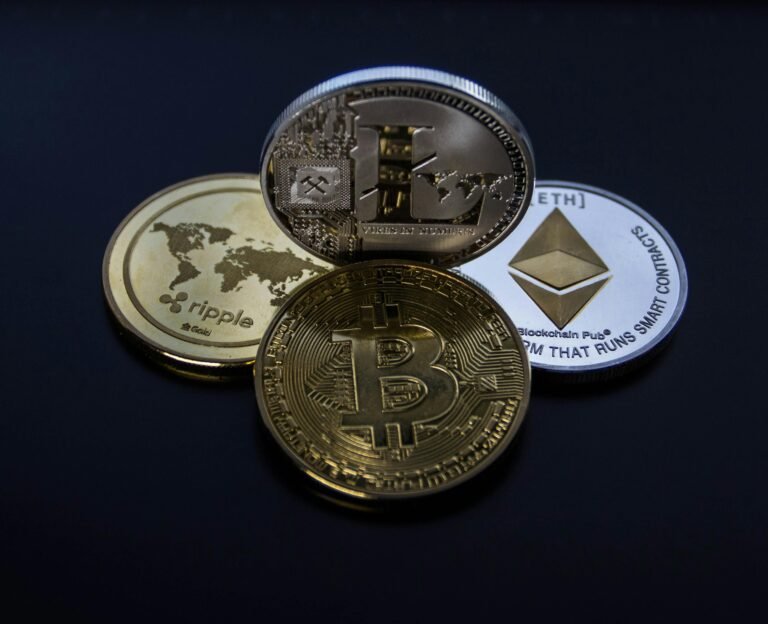
- Cryptocurrencies such as Bitcoin and Ether are digital money or digital tokens that run on a blockchain.
- Stablecoins are tokens designed to hold a steady value, usually tied to a currency such as the US dollar. How well they hold that value depends on how they are backed.
- NFTs (non-fungible tokens) are unique tokens that represent ownership of a specific digital item, such as a piece of art or a collectible.
- Tokenised assets are digital tokens that represent a claim on something in the real world, such as a share in a property or a fund.
They are very different in purpose and risk. Treating them as one product is a common mistake.
What is blockchain?
A blockchain is a database that many computers keep copies of at the same time. New entries, called transactions, are grouped into blocks and linked to earlier blocks in order, forming a chain. Because many participants hold the same record and changing old entries would require changing the copies held by others, past records are very hard to alter. That is why blockchains are often described as tamper-resistant.
The practical benefit is that two parties who do not know or trust each other can agree on who owns what without a central company or bank keeping the ledger. It does not make a blockchain automatically safe or private. Mistakes, scams and badly written software can still lose people money, and a transaction sent to the wrong address generally cannot be reversed.
How people use digital assets
- Payments and transfers. Sending value across borders can be faster or cheaper, although fees and exchange rates still apply.
- Investment. Many people buy cryptocurrencies hoping the price will rise. This is speculation, not a guaranteed route to growth.
- Ownership of digital items. NFTs and similar tokens record who owns a specific item.
- Tokenisation. Ownership of an asset can be split into small digital pieces, which in theory lets more people hold a share. Availability depends on local regulation.
- Business record-keeping. Companies in fields like logistics and finance test blockchains for tracking goods and settling transactions.
Crypto markets can trade around the clock, unlike a stock exchange that has opening and closing hours. That also means prices can move sharply at any time, including overnight and at weekends.
The risks you need to understand
Price volatility
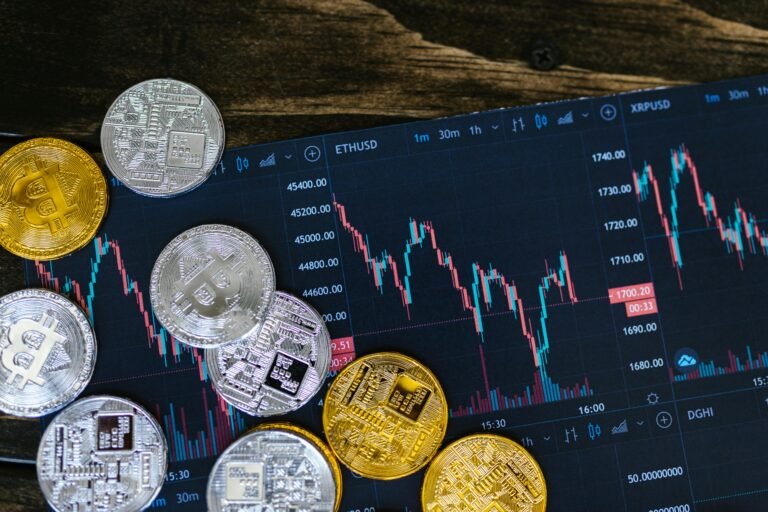
Digital asset prices can rise and fall by large amounts in short periods. A holding that is worth 1,000 today could be worth 500 or 1,500 a few weeks later. You must be able to cope with a large loss without it harming your life.
Scams and fraud
Fake investment schemes, impersonation, fake exchanges and “guaranteed returns” are common. A promise of high returns with no risk is a warning sign in any market.
Custody and security
If you hold your own keys and lose them, the assets can be lost permanently. If you leave assets on an exchange, you rely on that company to be honest and secure. Neither option is risk-free.
Regulation and tax
Rules differ widely between countries and are still developing. Some places restrict certain products, and many treat profits as taxable. Check the rules where you live and keep records of every transaction.
Complexity
If you cannot explain in plain words what you are buying and how it makes money, you do not understand it well enough to put money in.
A simple way to think about position size
Say you have 10,000 in total savings and investments, with an emergency fund already in place. If you decide to hold digital assets at all, a small share, for example 1% to 5% (100 to 500), limits the damage if the whole amount goes to zero. This is an illustration of risk limiting, not a recommendation, and the right amount for you could be zero.
Questions to ask before you buy anything
- Do I have an emergency fund and no high-interest debt?
- Can I afford to lose all of this money?
- Do I understand what I am buying and who is on the other side of the trade?
- Is the platform regulated where I live, and how does it protect customer funds?
- Do I know how this will be taxed?
- Am I being pushed by hype, urgency or a promise of guaranteed returns?
If any answer is no, slow down.
Key takeaways
- Digital assets include cryptocurrencies, stablecoins, NFTs and tokenised assets, which carry different risks.
- A blockchain is a shared, hard-to-alter record of transactions.
- Prices are volatile and scams are common, so never invest money you cannot afford to lose.
- Regulation and tax treatment vary by country and keep changing.
- Keep any exposure small compared with your overall finances, and only after the basics are covered.
Frequently asked questions
Is blockchain the same as Bitcoin?
No. Bitcoin is one cryptocurrency, and it runs on a blockchain. Blockchain is the underlying technology, and it can be used for many other things.
Are digital assets a safe investment?
They are generally considered high risk. Prices can fall sharply, scams are common, and regulation is still changing. Safety depends on what you buy, where you hold it and how much you put in.
Do I have to pay tax on digital assets?
In many countries, yes. Selling, trading or spending them can create a taxable gain, and some income from them may also be taxable. Rules differ, so check with your local tax authority or a qualified professional.
This article is for general education and is not personal financial advice.