
What Is Risk Appetite? Why Your Comfort Level Matters More Than Your Ideal Allocation
Risk appetite is the level of investment risk, and the potential for loss or volatility that comes with it, that an investor is genuinely willing and psychologically able to accept in pursuit of higher returns. It’s a personal, often emotional, factor, and it’s distinct from two related but different concepts: risk capacity (how much risk your financial situation can actually afford to take, based on income, savings, and obligations) and risk requirement (how much risk you’d need to take to realistically reach a specific financial goal).
A genuinely sound investment plan accounts for all three, but risk appetite is the one most often ignored in favor of a purely numbers-based “ideal” allocation, and ignoring it is one of the most common reasons investors abandon a plan at exactly the wrong moment.
Why risk appetite matters even when it doesn’t match the “textbook” answer
It’s entirely possible for someone’s risk capacity to be high (a young professional with a stable income, no debt, and decades until retirement, textbook advice would suggest an aggressive, equity-heavy allocation) while their actual risk appetite is low (they genuinely lose sleep over portfolio volatility and are strongly tempted to sell during downturns). In this mismatch, following the “textbook” high-risk allocation despite genuinely low risk tolerance often backfires: the investor panics and sells during the first serious downturn, locking in losses at the worst possible time, a worse outcome than if they’d started with a more conservative allocation they could have actually stuck with through the same downturn.
This is the practical argument for weighing genuine risk appetite seriously, even when it doesn’t match a generic, formula-based recommendation: the “objectively optimal” allocation on paper is worthless if it isn’t the allocation an investor can actually hold onto during a real decline.
How to actually assess your own risk appetite
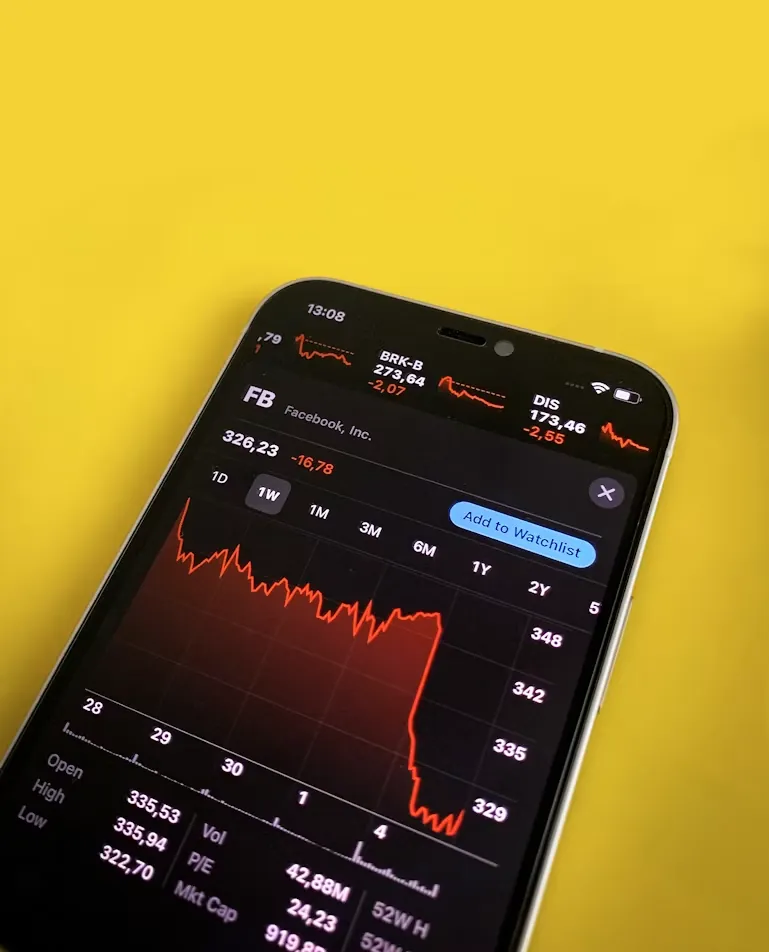
A useful, if uncomfortable, exercise is imagining a genuine, sizable decline, say, a 30% drop in your equity holdings within a few months, and honestly asking whether you’d hold steady, sell out of panic, or even see it as a buying opportunity. Past behavior during previous market downturns, if you’ve experienced one as an investor, is often a more reliable indicator of true risk appetite than how you feel during a calm, rising market, when almost everyone feels comfortable with risk they haven’t actually been tested on yet.
Risk appetite can, and often should, change over time
Risk appetite isn’t necessarily fixed for life. It commonly shifts with life stage (someone nearing retirement often rationally becomes more risk-averse, since there’s less time to recover from a downturn), with experience (having lived through a market cycle can either increase confidence or increase caution, depending on how it played out personally), and with changing financial responsibilities. Periodically reassessing, rather than assuming a risk appetite determined once at the start of an investing journey still applies years later, keeps the portfolio genuinely aligned with the person managing it.
Balancing risk appetite against risk capacity and risk requirement
When these three factors don’t align (low risk appetite but high risk requirement to meet an ambitious goal, for instance), the honest resolution is usually to adjust the goal, the timeline, or the savings rate, rather than forcing an allocation that exceeds genuine comfort, since an allocation that can’t be sustained through a real downturn rarely delivers its theoretical return in practice.
Bottom Line
Risk appetite is the emotional, behavioral half of the risk equation, distinct from what your finances can technically afford or what your goals technically require, and it deserves real weight in building a portfolio, because the best allocation on paper is worthless if it’s not one you can actually stay invested through. An honest, sometimes uncomfortable assessment of your true risk appetite, rather than an aspirational one, tends to produce a portfolio far more likely to actually be followed through a real market cycle.
This article is for general information and isn’t personalized investment advice.
Sources
- SEBI – Investor Education on Risk Profiling