PERSONAL FINANCE

A side hustle is any form of income-generating work done alongside a primary job, typically in spare time. It can range from freelance work and tutoring to selling products online or offering a specific skill on a project basis.
Freelance work — writing, graphic design, web development, video editing — is one of the most flexible options, since it can be done remotely and scaled up or down around a full-time job. Tutoring or teaching a skill, whether online or in person, is another common route, especially for people with subject expertise or professional experience.
Selling products, whether handmade goods, resold items, or dropshipped inventory through online marketplaces, is popular for people who prefer product-based income over service-based work. Others rent out an asset they already own — a spare room, a car, equipment — for passive or semi-passive income.
The most common reason is simply extra income — to pay down debt faster, build savings, or afford something a single income doesn't comfortably cover. Some people start a side hustle to test a business idea before committing to it full-time, using it as a lower-risk way to validate demand.
Others do it for skill-building or to stay engaged with work they find more meaningful than their primary job.
Start with skills or assets you already have rather than starting from zero — it's usually faster to monetize something you're already good at than to learn an entirely new skill and try to earn from it immediately. Set realistic time expectations; most side hustles take time to generate meaningful income, and treating early months as an investment period helps avoid discouragement.
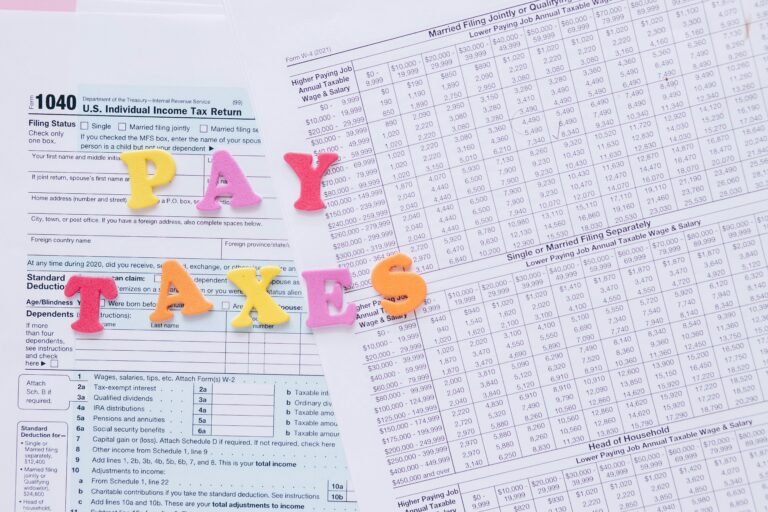
Side hustle income is generally taxable, and in many countries needs to be reported even if it's informal or paid in cash. Keeping basic records of income and related expenses from the start makes tax filing significantly easier, and depending on the scale and country, may also involve business registration or a different tax filing category. Confirm the specific rules that apply to you, since these vary by country and by how the income is structured.
A side hustle can meaningfully boost income, but expect an initial period where returns are small relative to the effort invested. Start with existing skills, track income and expenses from day one, and confirm your tax obligations. This is general information, not personalized financial or tax advice.

We use cookies for site analytics and to show ads through Google AdSense. You can accept all, reject non-essential cookies, or choose what to allow. See our Privacy Policy for details.